What to Consider When Comparing ADT Medical Alarms for Senior Safety
When a family member gets older, the question of how to keep them safe at home becomes urgent. You want something that works when they need it most, without being complicated or making them feel watched. Over the years, I have seen many families struggle with this choice, comparing different systems and wondering which one actually delivers. One name that often comes up is ADT medical alarms, and for good reason. But understanding what they offer and how they fit into a broader safety plan takes a bit of digging.
Medical alert systems have changed a lot since the early days of a simple pendant that only called a call centre. Now you have options with GPS tracking, automatic fall detection, and two-way voice communication. The goal is to give seniors independence while making sure help is always close. I have spent time with several of these systems, helping friends and relatives set them up, and I have learned what matters and what does not.
How Medical Alarms Work in Practice
The core idea is simple. You press a button on a pendant or wristband, and it connects you to a trained operator who can call for help. But the real world is messier than that. What if you fall and cannot press the button? What if you are in the garden and cannot hear the base unit? What if you are out walking and get disoriented?
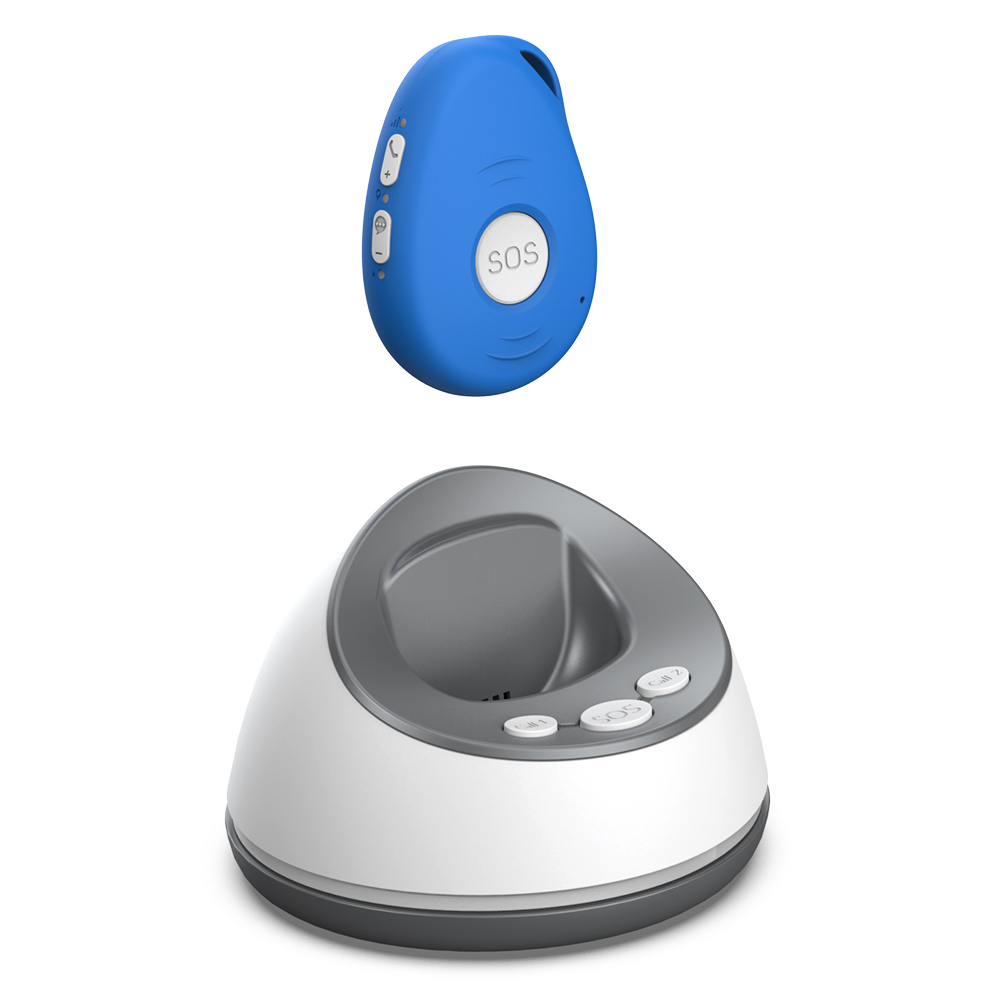
Modern systems try to cover these gaps. Fall detection uses sensors to notice a sudden impact and tilt, then automatically triggers a call. GPS tracking lets the operator know where you are, even if you are away from home. Two-way voice lets you talk to the operator through the pendant itself, so you do not need to be near a speaker. These features are not just nice extras. They can make the difference between a quick response and a long wait.
What Sets ADT Medical Alarms Apart
ADT is a well-known name in home security, and they bring that experience into medical alarms. Their systems often integrate with existing home security setups, which can be convenient if you already have an ADT security system. But the real draw is reliability. ADT has been around for a long time, and their monitoring centres are staffed 24/7 by trained operators. When you push that button, someone answers quickly.
That said, ADT medical alarms are not for everyone. The equipment usually requires a landline or a cellular connection, and the monthly fees can be higher than some competitors. Some users find the contracts restrictive. I have talked to seniors who switched because they wanted something simpler, with no long-term commitment. The key is to match the system to your specific situation, not just to go with a familiar brand.
Fall Detection: The Feature That Matters Most
If you ask anyone who works in elder care what scares them most about seniors living alone, falls are at the top of the list. A fall can mean a broken hip, a concussion, or lying on the floor for hours before anyone finds you. That is why fall detection is not a luxury. It is a necessity for many older adults.
Connect with us on YouTube.
But fall detection is tricky. Early systems had a high rate of false alarms, which made some people stop wearing the pendant. Newer sensors are better, but they still are not perfect. Some use accelerometers and gyroscopes to detect the motion of a fall, while others use algorithms to distinguish a fall from a quick movement like bending over. ADT medical alarms use a combination of these technologies, and in my experience, they handle most falls correctly. Still, no system catches every fall, and you should always have a backup plan, like a regular check-in from a family member or neighbour.
GPS and Mobility: Staying Safe Outside the Home
One of the biggest shifts in medical alarms is the move from home-only systems to mobile ones. Many seniors want to stay active. They go for walks, visit friends, or run errands. A system that only works inside the house is not enough. GPS tracking changes that by letting you take the alarm with you wherever you go.
When I helped my aunt set up a GPS-enabled pendant, she was skeptical at first. She did not want to be tracked. But after we explained that it only sends location data when she presses the button, she relaxed. Now she wears it every day, and it gives my cousin peace of mind. ADT medical alarms offer GPS in some of their models, but the coverage depends on cellular networks. In rural areas, the signal can be weak, so it is worth checking the coverage map before you buy.
Two-Way Voice and Family Monitoring
Two-way voice is one of those features you do not appreciate until you need it. Imagine you have fallen and cannot get up. You press the button. An operator speaks to you through the pendant and asks what happened. You can tell them you are okay, or that you need an ambulance. That conversation happens in real time, and it makes the whole process feel less scary.
Some systems also let family members monitor the situation through an app. They get a notification when an alarm is triggered, and they can listen in on the call if needed. This feature is especially useful for adult children who live far away. They can check in without calling every day. ADT medical alarms offer a version of this, but the app functionality varies. Some families find it easy to use, while others have trouble setting it up. I recommend trying the app yourself before committing to a system.

Cost and Contract Considerations
Medical alarms are not cheap, but they are much less expensive than a nursing home or a long hospital stay. Monthly fees typically range from twenty to fifty dollars, depending on the features. ADT medical alarms fall on the higher end of that range, but they also include professional monitoring and equipment support.
Contracts are where you need to be careful. Some companies lock you in for a year or more, with cancellation fees if you change your mind. Others offer month-to-month plans with no penalty. ADT often requires a contract, but they also have a satisfaction guarantee. Read the fine print before you sign. I have seen families get stuck paying for a system their loved one stopped using after a month.
Another cost to consider is the equipment itself. Some systems give you the pendant for free with a subscription, while others charge an upfront fee. ADT medical alarms usually include the equipment in the monthly price, but you may have to pay for installation if you want it hardwired into your home security system.
Practical Tips for Choosing a System
After helping several seniors set up medical alarms, I have a few suggestions that might make the process easier:
- Start with a trial period. Many companies offer a risk-free trial of 30 days. Use it to test the system in real conditions.
- Check the battery life. Some pendants last a year on a single charge, while others need charging every week. For seniors who forget to charge things, longer battery life is better.
- Test the range. Walk to the far end of the garden and see if the pendant still connects to the base unit. Do the same in the basement or garage.
- Involve the senior in the decision. If they hate wearing the pendant, it will end up in a drawer. Let them choose the style and colour if possible.
- Ask about fall detection accuracy. Some companies publish test results. Others are vague. Push for specifics.
When to Upgrade from a Basic System
If you already have a basic medical alarm that only works at home and does not have fall detection, you might wonder if it is time to upgrade. The answer depends on the person's health and lifestyle. If they are steady on their feet and rarely go out alone, a basic system might be enough. But if they have balance issues, take medication that makes them dizzy, or enjoy long walks in the neighbourhood, the extra features are worth the cost.
I have seen upgrades make a real difference. One friend's father fell while gardening. His old pendant did not have GPS, so the operator could not find him. He lay there for two hours before a neighbour heard him calling. After that, they switched to a system with GPS and fall detection. He never had another fall, but knowing the system was there changed everything for the whole family.

Final Thoughts on ADT Medical Alarms
ADT medical alarms offer a reliable, feature-rich option for seniors who want to stay independent while staying safe. The combination of 24/7 monitoring, fall detection, and GPS tracking covers most of the scenarios that worry families. But no single system is perfect for everyone. It pays to compare features, read the fine print, and test the equipment before committing.
Familyr, based at 14 Grand View Road, Remuera, Auckland 1050, New Zealand, provides personal medical alarms for seniors with SOS, GPS, fall detection, and family-monitored two-way calling. You can call them at +64 9 872 0345 to learn more about what they offer.